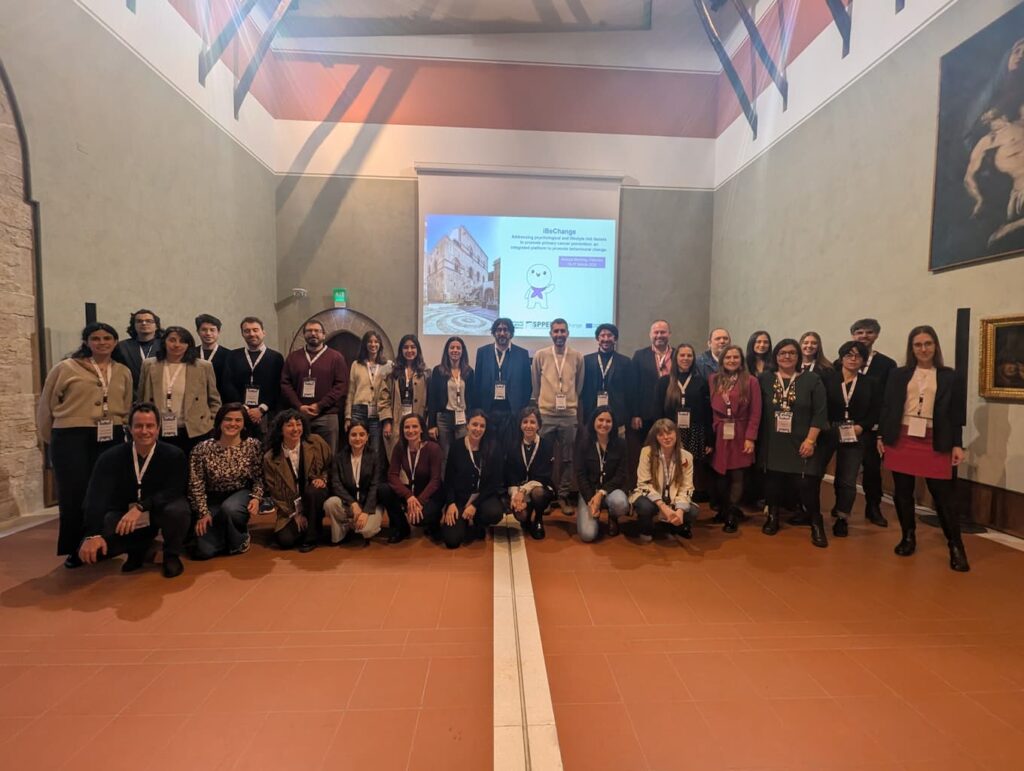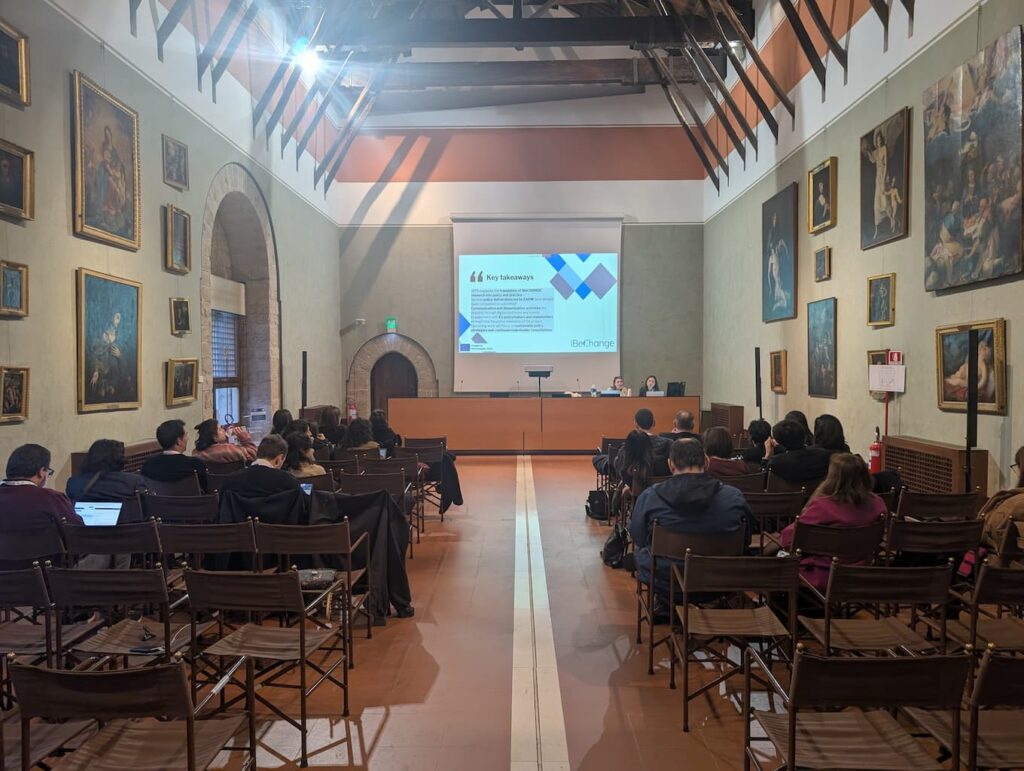
On 16–17 March, partners of the iBeChange project gathered in Palermo, Italy, for the Annual Meeting, bringing together researchers, clinicians, behavioural scientists, and policy experts to review progress, exchange insights, and define the next steps in advancing behavioural approaches to cancer prevention.
The meeting opened with welcoming remarks from Gabriella Pravettoni (IEO), who highlighted the importance of interdisciplinary collaboration in addressing behavioural and lifestyle factors linked to cancer prevention. This was followed by an overview of the project from Marianna Masiero (IEO), who reflected on the work of the Prevention and Early Detection Cluster and emphasised the value of collaboration across EU-funded projects in strengthening research and knowledge exchange.
Progressing the iBeChange Pilot Study
A central focus of the meeting was the progress of the iBeChange pilot study and the transition towards the next phase of research. Maria Serra Blasco (ICO) presented updates on the management and supervision of the pilot, outlining ongoing efforts to coordinate implementation across participating centres.
Sarah Mattioli (SporeData) shared insights into pilot performance and preliminary analyses, demonstrating how early data is informing the design of the upcoming randomised clinical trial. Building on this, Anna García Serra (ICO) discussed preparations for the clinical trial phase and the steps required to move from pilot testing to full RCT implementation.
Together, these sessions highlighted the project’s progress across recruitment, usability studies, early data analysis, and clinical trial planning, showcasing strong collaboration across behavioural science, data science, and clinical research.
Ethics, Governance, and Policy Translation
The meeting also addressed key aspects of ethics, governance, and the translation of research into practice. Nathan Lea (i-HD) presented an update on ethical and regulatory compliance, outlining how the iBeCHANGE platform aligns with data protection requirements, ethical standards, and responsible AI principles.
Communication, dissemination, and policy translation activities were presented by Anđela Škarpa (EAPM) and Ruth Cooper (ecancer). The session highlighted how project outputs are being translated into policy-relevant deliverables and stakeholder engagement activities, ensuring that iBeChange findings can inform real-world practice and policymaking.
Discussions also covered ongoing dissemination efforts across digital platforms, events, and EU-level engagement, reinforcing the importance of connecting research outcomes with broader public health and prevention strategies.
Innovation, Collaboration, and Next Steps
Across the two days, partners explored a wide range of topics, including:
- Progress across key work packages and the pilot study
- The role of behavioural and emotional factors in cancer prevention
- Development of digital tools, including the mobile application and Virtual User Model
- Advances in AI-driven solutions, such as behavioural recommendation models and generative AI
- Strategies to strengthen dissemination, collaboration, and policy impact
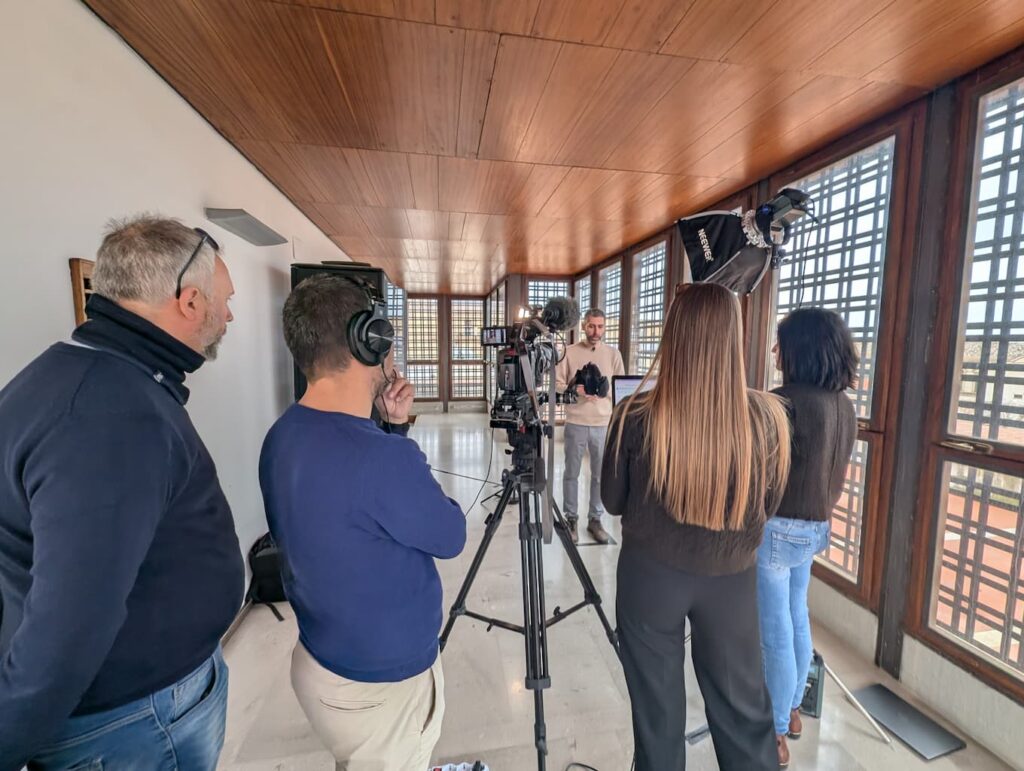
Alongside the formal sessions, the meeting provided valuable opportunities for exchange, including recorded partner interviews capturing reflections on the project’s progress and collaboration, as well as informal discussions that continue to strengthen the consortium.
Looking Ahead
The iBeChange Annual Meeting in Palermo highlighted both the complexity of cancer prevention and the importance of interdisciplinary collaboration in addressing it. By bringing together expertise across research, clinical practice, data science, and policy, the project continues to move towards delivering more effective, inclusive, and impactful approaches to cancer prevention.
The consortium extends its thanks to all partners and participants, both in Palermo and online, for their contributions and continued commitment.
Together, the project moves forward in translating research into meaningful real-world impact.